Boards, upgrades and gadgets
Boards change how a ball travels and where the jackpot slot sits; upgrades and gadgets change the numbers around it. Buy a new board when your balls outgrow the current layout, not before.
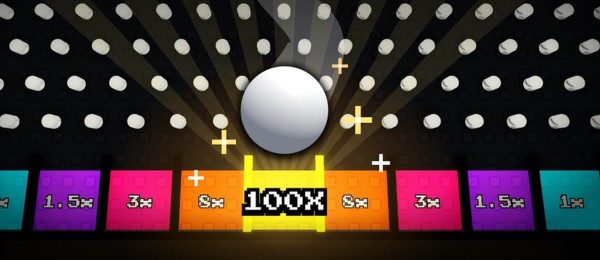
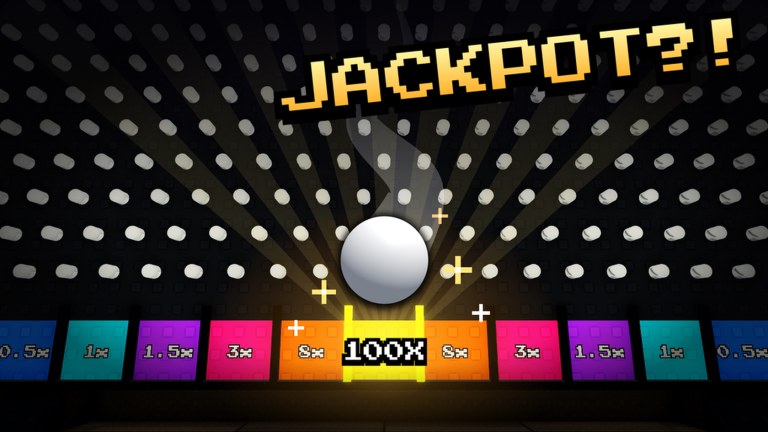
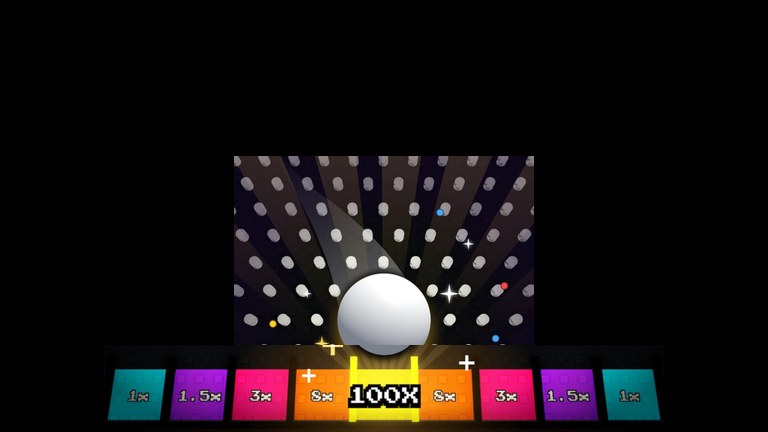
Official key art - the board as the game draws it: the ball above the nine payout tiles.
Boards are the part of Plinky Plonky you buy with the coins a run earns, and they are the most misunderstood purchase in the game. A new board does not make your balls luckier. It changes the layout a ball travels through - where the pegs are, where the middle jackpot slot sits, and how many ways a drop can go sideways before it pays.
What each purchase changes
| Purchase | What it changes | When it is worth it |
|---|---|---|
| New board | The layout and the placement of the jackpot slot | When your balls are good and the current layout is your bottleneck |
| Upgrades | The numbers around the run - what a drop is worth and how often it happens | Early, because they pay on every drop you take |
| Gadgets | Situational help for specific runs or specific drops | Late, once the basics are covered |
The rule the developer's own loop implies: coins buy boards, upgrades and gadgets, and better balls are what make a board worth owning. Buying the layout before the ball pool is how runs end up feeling expensive.
When to change boards
- Change when the layout stops fitting your play. If your drops keep funnelling into the outer tiles whatever you do, that board has told you what it is.
- Change after a tier, not after a bad drop. One unlucky run is not information. A pool that has climbed a rarity tier is.
- Change before a rebirth, not after. REBIRTH is where a run's value gets banked into the skill tree; buying between runs means your tree investment boosts a better board straight away.
- Keep the old board in mind. Inventory in these games is a set of tools, and a tighter board can be better for a low-tier ball.
Gadget discipline
Gadgets are the most tempting and least efficient purchase for a new player. They help with a specific situation, and a player in their first week does not yet know which situations repeat. The honest order of spending:
- Upgrades first - they pay on every single drop.
- A better board second - once your balls can actually use the layout.
- Gadgets last - once you can name the run they fix.
Coins and the tree
Two systems feed boards: coins from runs, and Rebirth Points from ending them. Coins are wiped by a miss in the sense that the run is over; Rebirth Points are not, which is why the tree is the safe place to invest and the board is the place you invest once you can afford to experiment. If coins are the constraint, the coins and offline earnings page covers where they actually come from.

Official INFINITE AUTOCLICK gamepass icon - the pass the rebirth tree hands out for free.
Where to go next
- Rebirth Points and the skill tree - the compounding half of the game.
- Balls, rarity and the FORGE - make sure your pool can use the board you buy.
- Gamepasses - which of the four passes touches boards and drops.