Rebirth Points and the skill tree
Every run pays Rebirth Points, and the tree makes the next run stronger. A run that ends by missing the FINAL CHANCE still pays, so rebirthing often beats grinding a single long run.

Official First Rebirth badge - the game's own reward for ending a run at the FINAL CHANCE.
REBIRTH is what makes Plinky Plonky an incremental rather than a slot machine with extra steps. A run ends, it pays Rebirth Points, and those points go into a skill tree that makes the next run stronger - which means the run that just failed was not wasted.
How a run pays out
Every run earns Rebirth Points. The developer's description says it plainly: each run gives you points for a skill tree that makes your next run stronger. Two consequences are worth internalising:
- A miss is not zero. Missing the FINAL CHANCE ends the run, but the run still paid out. That is the whole reason a string of short runs can beat one long attempt.
- The tree is the only thing that survives. Coins get spent, balls get merged or lost with the run, boards get replaced - tree nodes stay.
What the tree is for
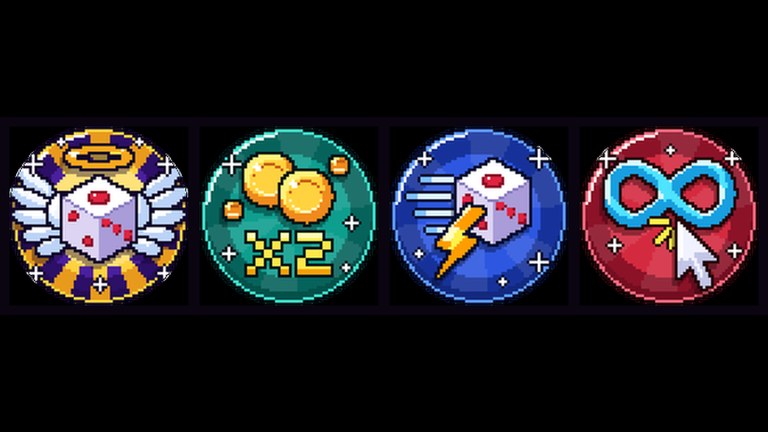
The tree is a set of permanent improvements you buy with Rebirth Points. Update 2 shipped "more rebirth tree nodes", so the tree grew rather than reset when the new collection arrived. The clearest documented example of what it does comes from the gamepass list: the INFINITE AUTOCLICK pass, which makes the autoclicker run forever, carries the note that it can also be unlocked for free inside the rebirth tree. For a free player, that is a node worth aiming at rather than a Robux purchase.
| Node type | What it improves | Priority for a new player |
|---|---|---|
| Autoclicker duration | The free version of a paid pass | High if you play long sessions |
| Drop and coin nodes | What a run earns per drop | High - it compounds every run |
| Luck and jackpot nodes | How often drops find the middle | Medium, once balls are decent |
| Collection and unlock nodes | Access to later content | Take them as the game offers them |
When to rebirth
- Rebirth when the next node is worth more than the run. If the tree is offering something that changes every future drop, take it now.
- Rebirth when the run has stalled. A run where every roll gives you the same tier is not going to turn around by waiting.
- Rebirth before spending coins. Coins are for the run you are about to play; Rebirth Points are for every run after it.
- Do not chase a perfect run before your first rebirth. The tree is the compounding part of the game, and it starts paying immediately.
Fitting the tree into the loop
Think of a session as three layers: balls decide a single drop, boards and upgrades decide a run, and the tree decides your baseline for everything after. If drops feel impossible, the fix is usually balls. If runs feel short, the fix is usually the tree. That is why rebirth discipline shows up again on the board page and on the collections page.

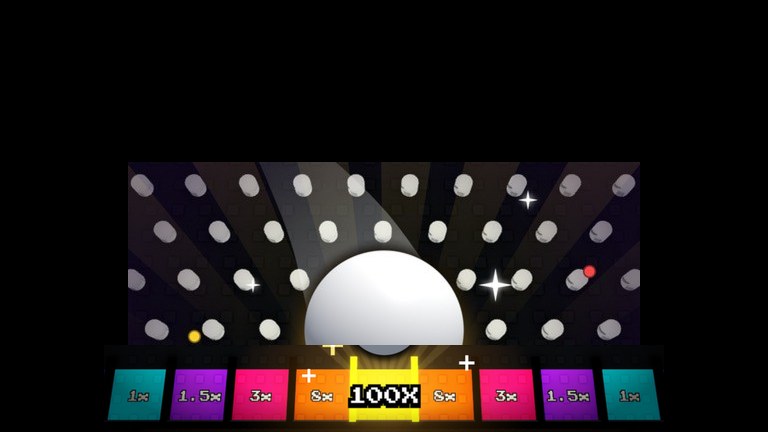
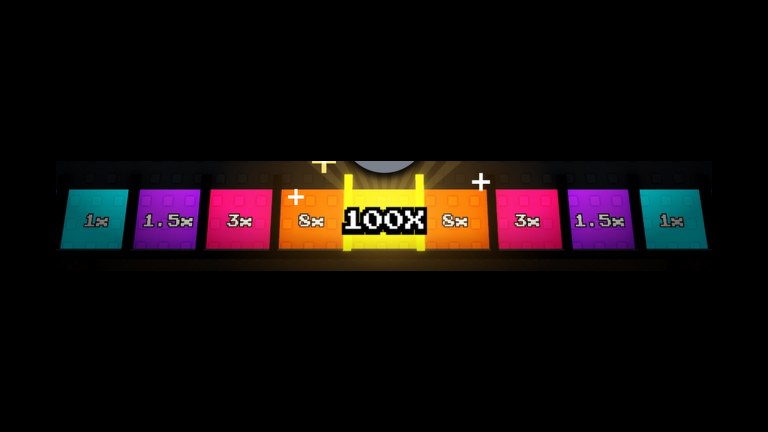
Official key art - the JACKPOT title, hot or missed: the run pays Rebirth Points either way.
Where to go next
- Collections - the ladder each run is climbing.
- Gamepasses - including the pass the tree hands you for free.
- Coins, farming and offline earnings - what to do between runs.